
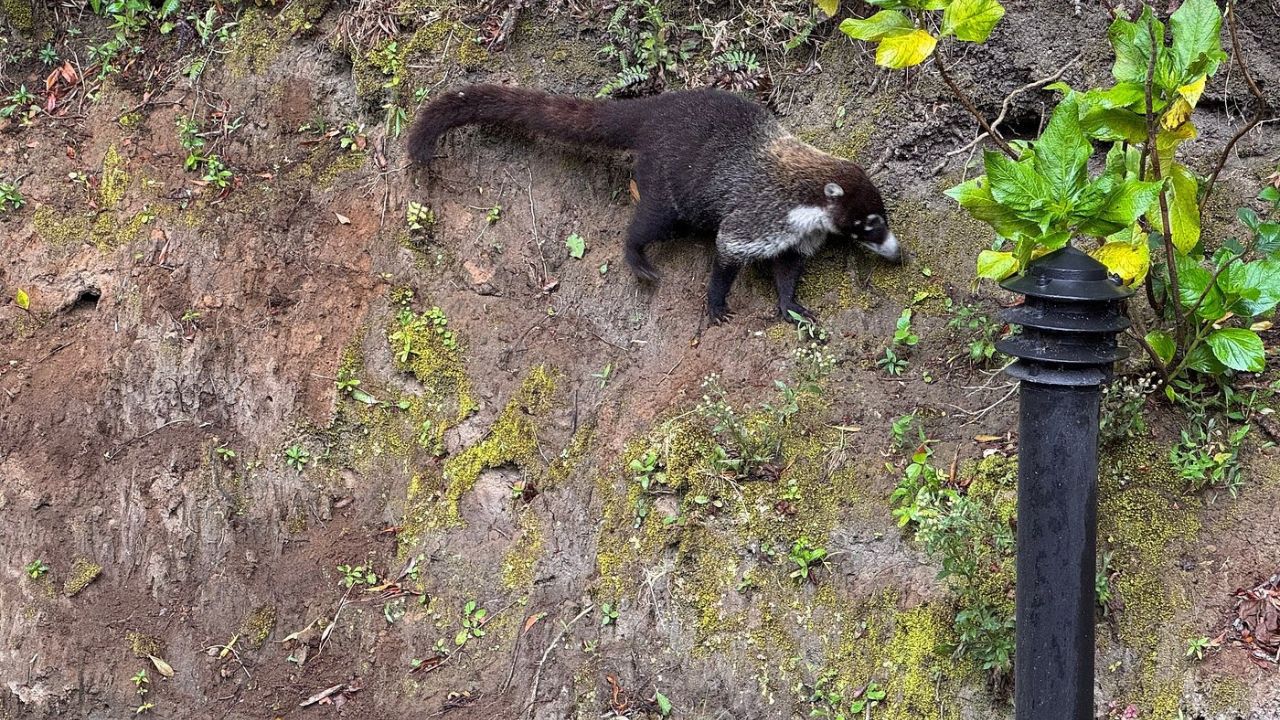
Costa Rica wildlife encounters during zipline tours are closer than most travelers expect, and they often happen when the forest is completely quiet, and the cable is already moving through the canopy.
Most people arrive focused on the thrill, the speed, and the height. But the real surprise usually comes later. You might see a monkey moving across the trees near the cable, a bright blue bird flying close to a platform, or a sloth sitting so still it looks like part of the branch.
The rainforest doesn’t respond on demand, but animals often appear naturally at unexpected times during the experience.
Zipline routes in Costa Rica cut straight through the canopy layer, where most Costa Rica rainforest animals actually live. That is why these encounters feel less like spotting wildlife and more like passing through their world for a few seconds.
Costa Rica Wildlife Feels Different During Zipline Tours
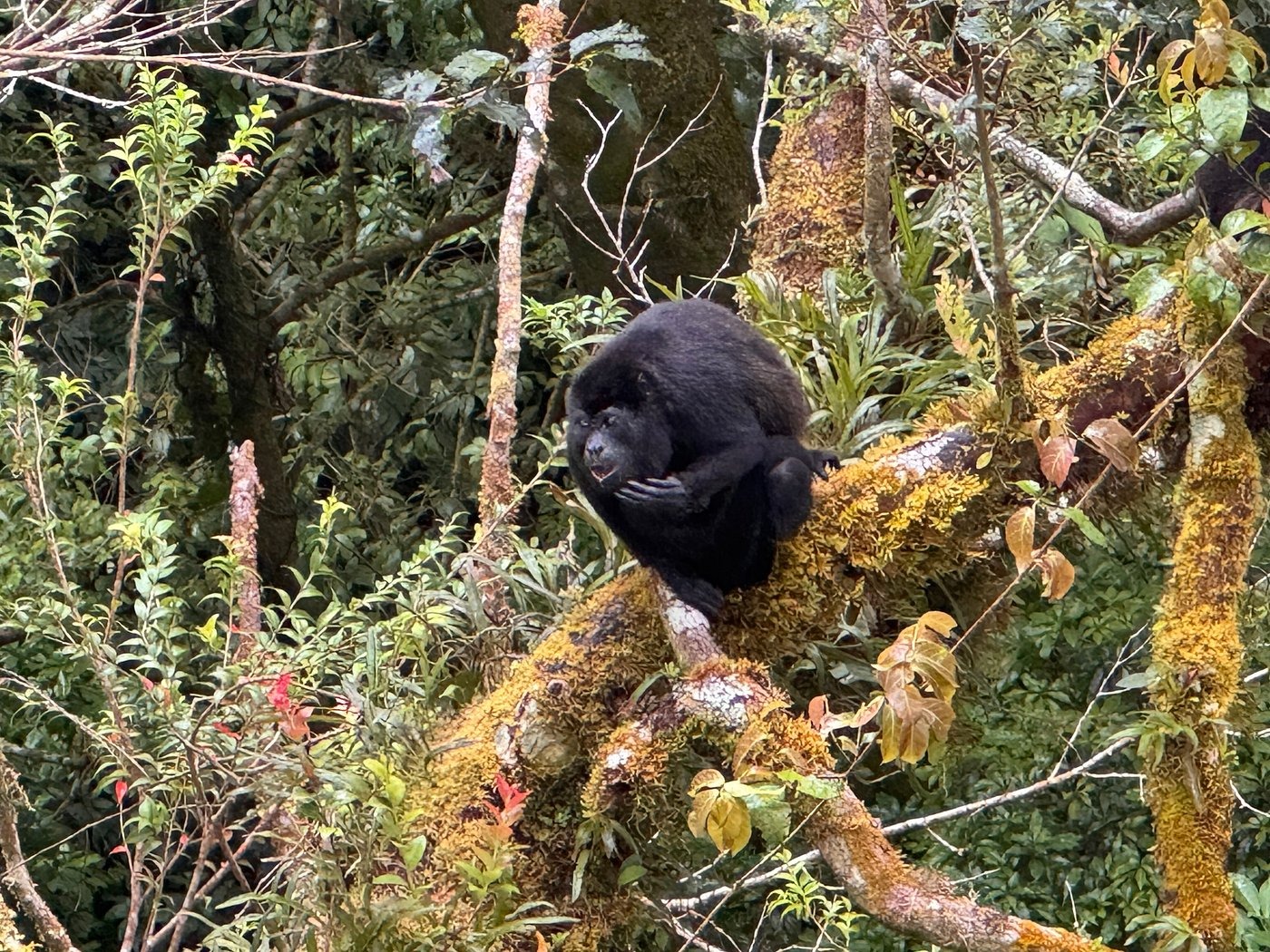
There’s a small misunderstanding most first-time visitors have. They expect animals to appear on the ground like in documentaries.
But Costa Rica rainforest animals don’t really live on the ground much. They live where the light filters through leaves and branches tangle into layers you can barely see through. Zipline cables cut right through that space.
So what happens is strange. You’re moving fast, then suddenly slow, then stop. And in that pause, the forest shows itself a bit.
A few things that quietly shape those encounters:
- Mornings feel more “alive” in the canopy
- Less noise = more animal movement
- Guides notice patterns you’ll miss completely
- Fruiting trees basically act like small wildlife stations
- The forest reacts differently when humans aren’t on the ground
None of this feels planned when you’re there. It just happens.
1. Howler Monkeys Are First Detected by Sound, Not Sight
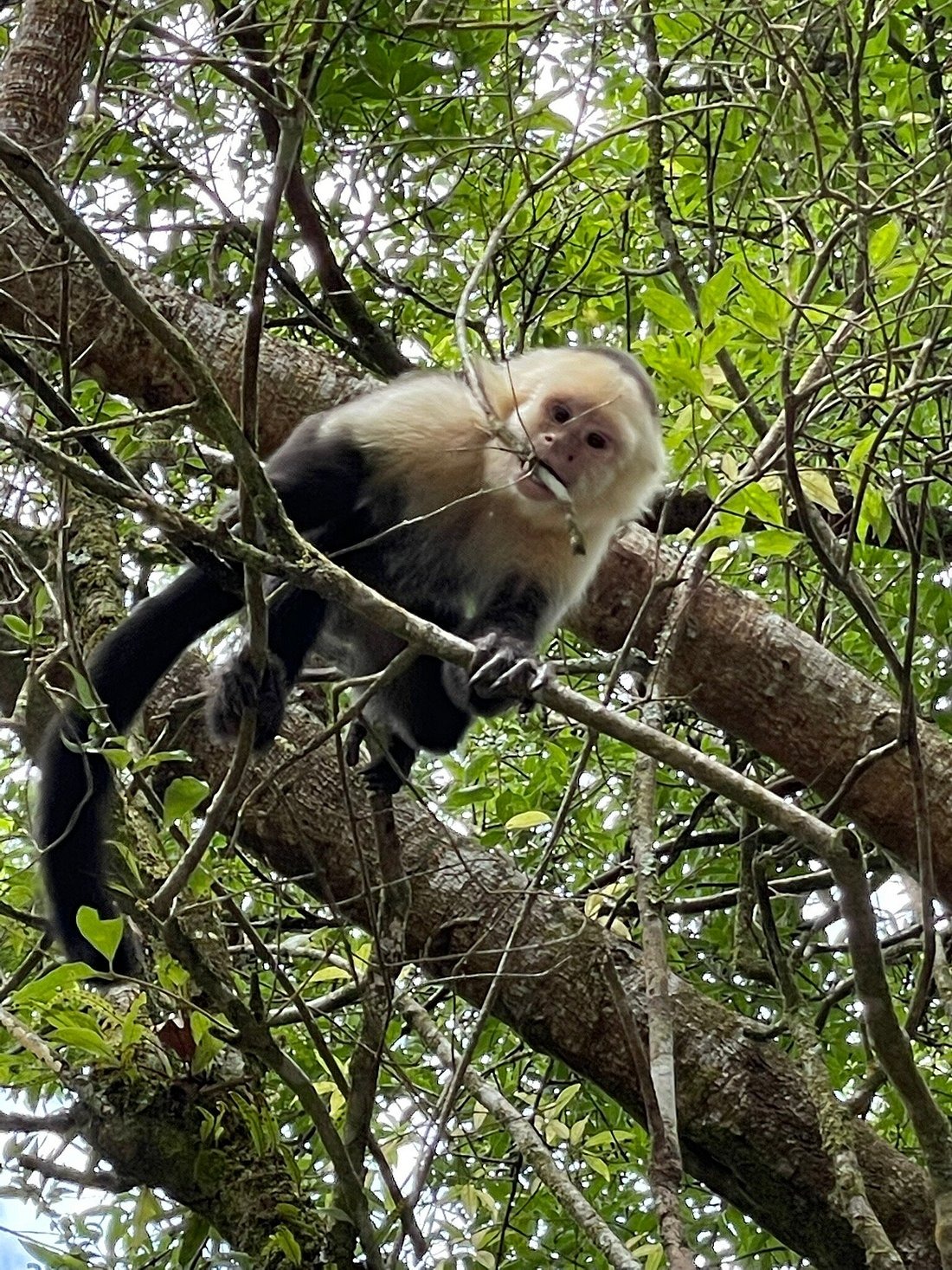
Monkey encounters in Costa Rica are rarely gentle. They don’t ease into the scene. They arrive like they already own it.
In places like Monteverde or Arenal, howler monkeys especially don’t care about your presence. You’ll hear them before anything else. Deep, vibrating calls that feel more like weather than sound.
Then you see them.
Sometimes a whole group crosses above the line you’re ziplining on. Sometimes, just one pauses, looks down, and moves on like it’s bored.
What usually stands out:
- Sudden movement right above cable lines
- Loud calls echo without a visible source at first
- Quick, almost careless branch swings
- Moments where they just… stare briefly
People often ask, “Do they come close?”
Not really, and that’s what makes it better. It feels natural, not staged.
2. Sloths are Easy to Miss, and That’s the Point
Sloths don’t compete for attention. If anything, they rely on you not noticing them.
Most visitors pass right by them without realizing, until a guide casually points, and everyone goes quiet for a second. At first, it looks like part of the tree. Even when you know what you’re looking at, your brain still questions it.
Costa Rica rainforest animals like sloths depend on canopy continuity. Break that structure, and they struggle. That’s why they stay high, slow, and almost invisible.
What makes sloth sightings so different:
- They don’t move unless necessary
- They blend into moss-heavy branches
- They stay in the same spot for long periods
- You often see them only because someone else noticed first
People always ask if it’s worth trying to spot them during ziplining. It is, but only if you’re not trying too hard.
3. Birds Don’t Wait for You to Notice Them
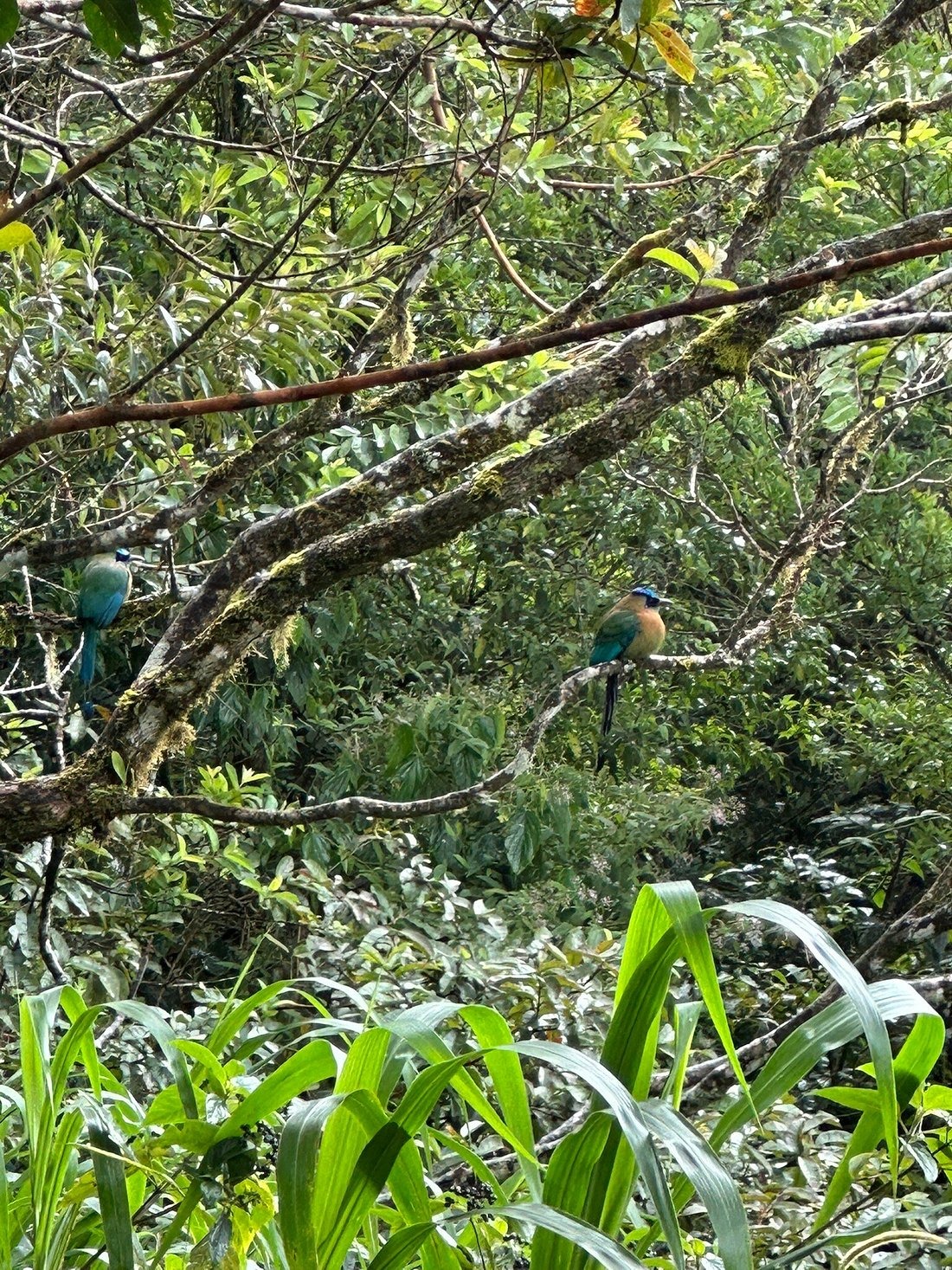
If monkeys feel loud and sloths feel hidden, birds sit somewhere in between. Always moving, always slightly out of reach.
Costa Rica wildlife really comes alive through birds during canopy tours. Not just because of color, but because of timing. They show up, disappear, and reappear somewhere else without warning.
Toucans are the ones people remember most. Probably because they don’t look real at first. Too big, too bright, too strange for the forest they live in.
A few things you’ll likely notice:
- Flashes of color that don’t stay still long enough to confirm
- Parrots moving in pairs like they’re late for something
- Hummingbirds hovering so close they feel unreal
- Sudden silence before a bird appears, then noise again
The funny thing is, the more you try to watch birds, the less you see them.
4. Reptiles, Frogs, and Hidden Costa Rica Rainforest Animals
Not all wildlife in Costa Rica is obvious. Some of the most interesting encounters require slowing down for a second between zipline sections.
Reptiles and amphibians thrive in humid, shaded areas of the forest. During short walks between platforms or waiting points, they often appear in places most people overlook. These animals are small but important parts of the ecosystem.
Common sightings include:
- Bright green tree frogs resting under large leaves
- Lizards warming themselves on wooden railings
- Snakes moving quietly along branches or trunks
- Camouflaged insects blending into bark patterns
A concern many travelers have is safety. These animals avoid human interaction completely. They are part of the environment, not a threat inside it.
Once that fear settles, the forest feels less intimidating and more detailed, almost like every corner has something quietly happening in it.
5. Butterflies are the Quiet Highlight Most People Don’t Expect
Butterflies sound minor until you’re standing in the middle of a forest light gap, and one passes through like a moving piece of sky. Blue morpho butterflies are the obvious ones. You’ll see the flash before you see the insect itself.
But there are others too. Smaller, slower, easier to miss.
What stands out isn’t just color but the contrast. Movement against stillness.
- Sudden blue flashes in shaded areas
- Ants moving in long, structured lines like highways
- Insects blend so well that they disappear when still
- Fireflies, if you’re on late tours near dusk
Why The Original Canopy Tour Changes What Wildlife You See
Not all zipline systems are built the same way, and it shows in wildlife encounters more than people expect.
We at The Original Canopy Tour approach this differently. Our systems are designed specifically around natural environments, not just built into them.
A few things that matter more than marketing usually suggests:
- Over 30 years of experience shaping canopy systems
- Safety is built into the structure, not added later
- Environmental design that avoids disturbing key zones
- 270+ hours of guide training before certification
- Long-term sustainability thinking, not short-term setups
Why does this matter for wildlife?
Because quieter systems and better placement reduce disruption. When animals aren’t constantly reacting to noise or movement, they behave normally.
That’s when sightings happen naturally.
Choosing a Zipline Isn’t Just About Thrill Levels
People usually ask the wrong first question. “How fast is it?” or “How high does it go?”
But the more useful question is actually, “What kind of forest experience am I getting?”
Because Costa Rica wildlife changes depending on where and how you zipline. Some honest decision points travelers think about:
- Is this too intense for first-timers
- Will I actually see animals or just scenery
- Does morning vs afternoon matter
- Do guides really change what you see
Short answer: yes, guides matter more than people expect. A good guide turns a quiet ride into a layered experience.
In the end, it is less about how many animals you see and more about how the forest experience feels as a whole. Costa Rica wildlife simply becomes part of the background, appearing naturally as you move through the canopy.