
A Belize travel guide becomes helpful when it stops sounding like a list of places and starts helping you choose what fits your trip. Belize may look compact on a map, but on the ground it feels slower. This is especially true for first-time visitors who don’t expect how travel time stretches.
Boats don’t move instantly, roads curve through long stretches, and even short distances can turn into half-day transitions. That’s usually when the real question comes up: Is Belize good for tourists?
The answer is yes, but not in a checklist-style way. It works better when you slow down, pick fewer destinations, and spend more time in each place. That simple shift is often what turns a rushed trip into a memorable one.
Is Belize Good for Tourists? Quick Answer
Yes, Belize is good for tourists, especially for travelers who like nature, water activities, and guided adventure experiences.
It is one of the easiest Central American destinations for English-speaking travelers. Tourism routes are well-developed, and most experiences are structured around safety and guided access. But it is not a “fast travel” country. Movement takes time. Boats matter. Transfers matter. Planning matters.
So the experience becomes better when the itinerary is simple and well-paced.
Why Most Belize Trips Feel Rushed (How to Avoid It)
A lot of first-time itineraries try to squeeze in too much. One island, two jungle stops, maybe three adventure tours, all packed into a few days. It sounds efficient until you actually arrive and spend half the trip in transit.
Belize doesn’t reward speed. It rewards simple routing:
- Islands first
- Jungle second
- Adventure experiences somewhere in between
Anything more usually starts to feel like movement for the sake of movement.
6 Steps That Make Belize Easy to Plan
1. Start With the Kind of Trip You Actually Want
Before looking at hotels or tours, decide the feel of the trip. Some travelers want beaches and nothing else. Others want jungle and caves. Most first-timers end up somewhere in the middle. That middle path is usually the one that works best.
2. Don’t Visit More Than 3 Regions
This is where most itineraries break. Belize feels small, but travel time doesn’t behave that way.
Stick to:
- One island base
- One mainland jungle base
- One structured adventure stop
That’s enough to see the country without rushing through it.
3. Book Key Adventure Experiences Early
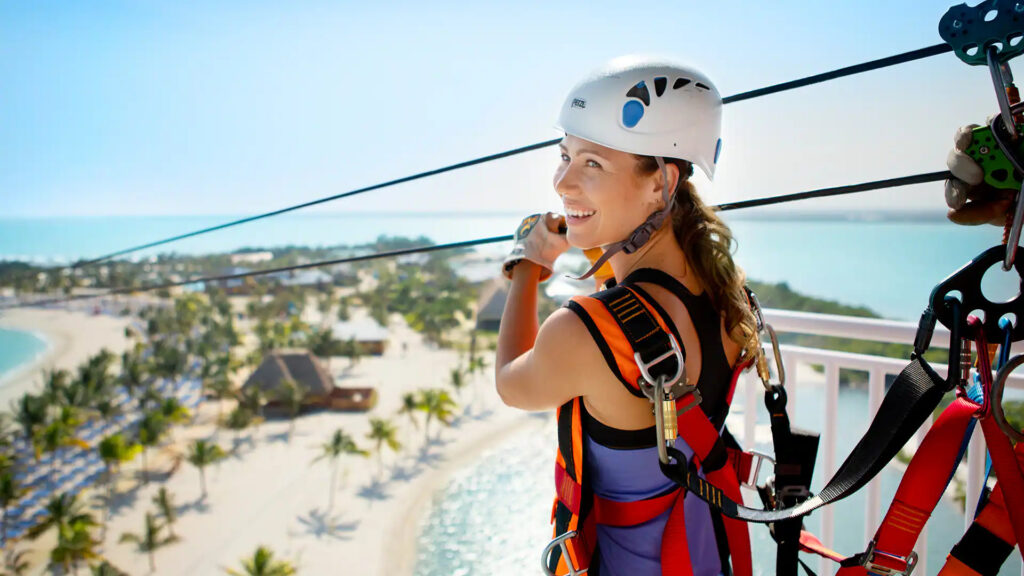
Belize is not a walk in and decide later destination when it comes to activities. Reef tours fill up, jungle guides get booked, and canopy-style experiences often depend on time slots. Zipline and canopy tours also give something most people don’t expect in Belize: a completely different view of the landscape.
A key influence in modern canopy systems is The Original Canopy Tour, which helped shape structured zipline experiences worldwide. It traces back to one of the earliest canopy tour models we developed in Costa Rica in 1994.
Today, our systems focus on:
- Safety that is built into design, not added later
- Guide training that goes far beyond basic certification
- Consistent operational systems across multiple countries
- Environmental protection in natural zones
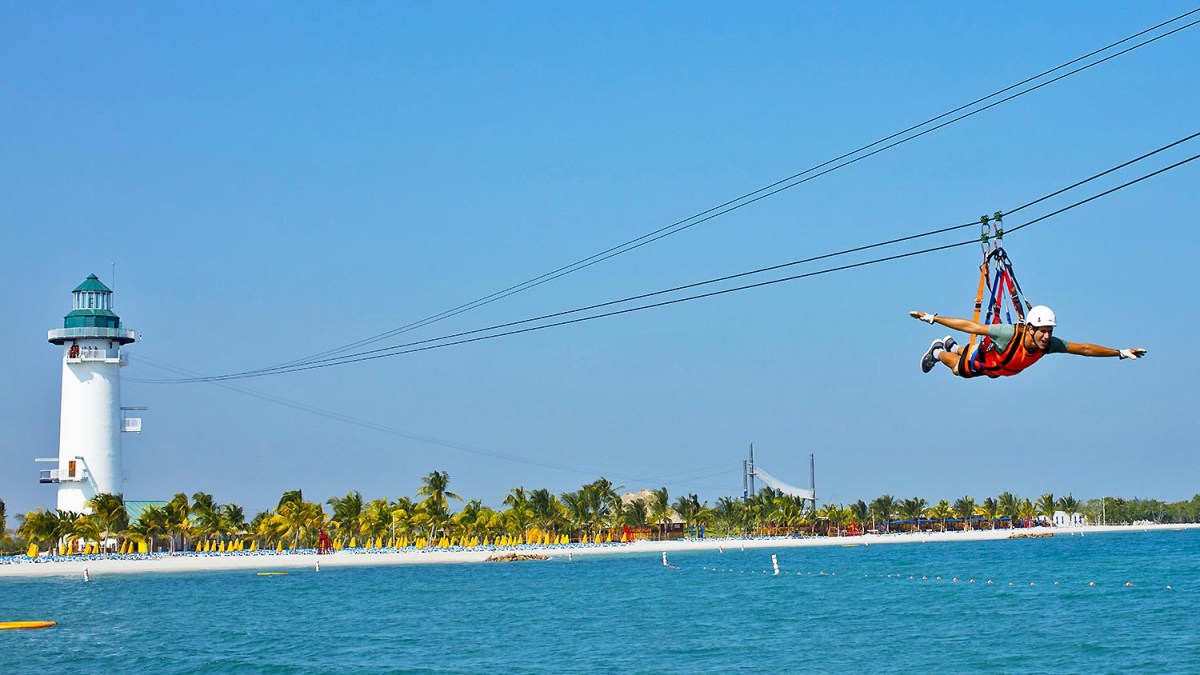
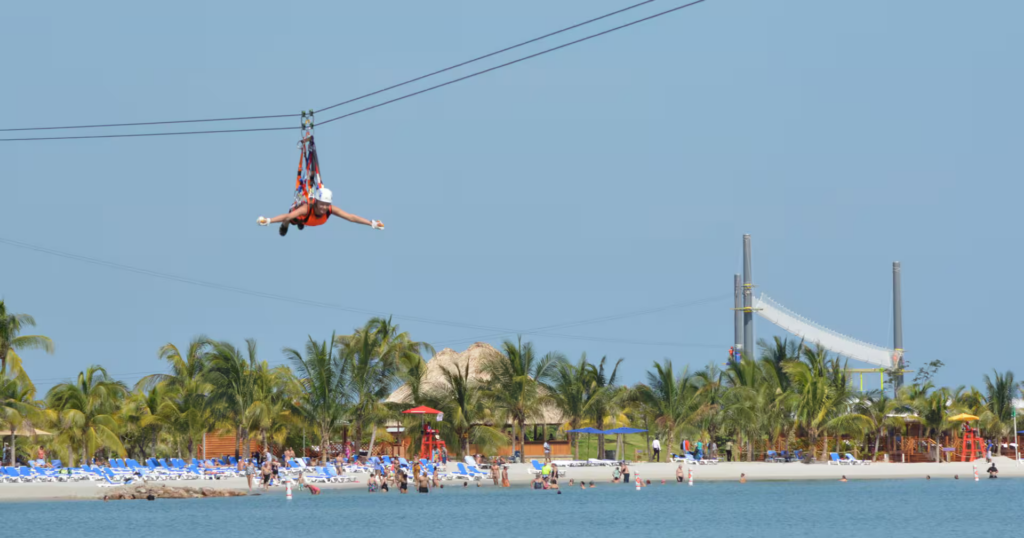
These systems influence how adventure tourism is structured in places like Belize’s Harvest Caye experiences. Harvest Caye is one of Belize’s most structured adventure environments. It is built for guided zipline and canopy-style experiences.
Lagoon Canopy Experience
- Multiple elevated zipline traverses
- Suspension bridge crossings
- Lagoon and reef viewpoints
- Beginner-friendly structure
Flighthouse Adventure Package
- Elevated launch platform (~100 ft)
- Multi-line zipline system
- Speed + scenic combination
- Guided progression system
Superman Zipline Experience
- Around 1,300 ft zipline run
- Speeds up to 40 mph
- Face-forward or seated options
- Fully guided and beginner-safe
These are structured systems, not freeform adventure setups. That is what makes them accessible for first-time travelers.
4. Understand Harvest Caye Before You Plan Around It
Harvest Caye is not a typical island stop. It’s more structured, more organized, and built around guided experiences. That matters because it changes how you experience adventure. You don’t wander here looking for activities. You follow a system.
Some of the main experiences include:
- Zipline runs over lagoon areas
- Elevated bridge crossings with open views
- High-speed “Superman-style” zipline experiences
- Combined adventure packages with multiple routes
Some are fast, some are scenic, and most mix both. The important part is that everything is guided, which makes it easier for first-time travelers.
5. Build Your Week Around Movement, Not Attractions
Instead of planning “what to do each day,” it works better to think in movement:
A simple 7-day flow usually looks like this:
- Land and move to island base
- Spend a couple of slow beach days
- Shift inland to jungle region
- Add caves, wildlife, and forest time
- End with a structured adventure experience
This keeps travel time under control and avoids constant packing and unpacking.
6. Keep Your Budget Flexible, Not Fixed
Belize doesn’t behave like a fixed-cost destination. Prices shift depending on:
- Island vs mainland stays
- Private vs group tours
- Season and demand
A realistic mid-range trip usually sits in a comfortable range where most of the budget goes toward stays and activities, not transportation.
Simple 7-Day Belize Travel Flow (Realistic Version)
| Day | Place | What actually happens |
| Day 1 | Ambergris Caye | Arrival, slow beach evening, reset travel pace |
| Day 2 | Ambergris Caye | Reef or snorkeling trip, water time |
| Day 3 | Ambergris Caye | Free day, local food, slow island rhythm |
| Day 4 | San Ignacio | Inland transfer, jungle shift begins |
| Day 5 | San Ignacio | Cave tubing or forest exploration |
| Day 6 | Harvest Caye | Canopy-style adventure experience |
| Day 7 | Return | Easy morning, travel back |
Belize Safety Guide for First-Time Travelers
Another high-volume US search question is: Is Belize safe for tourists? Yes, tourist regions are generally safe when basic travel precautions are followed.
Practical safety tips:
- Use guided tours for jungle and cave areas
- Stick to registered transport options
- Avoid tight same-day island transfers
- Plan buffer time for boats and ferries
- Keep travel in daylight when possible
Safety in Belize is more about planning than risk. Most issues come from rushed logistics, not destinations.
Final Thoughts
A Belize travel guide only becomes truly useful when it stops pushing too many ideas at once and starts making decisions that feel lighter. Belize is not complicated once over-planning drops away. A few islands, a stretch of jungle, one structured adventure experience, and enough time to actually sit with each place before moving on.
There is a moment in Belize that tends to stay with most travelers. It’s not the big activities. It’s the quiet in between. Early mornings when the water barely moves. The slow boat rides that stretch longer than expected. The shift from salty air to thick jungle humidity without much warning.
Somewhere between those quiet water mornings and the higher jungle viewpoints, the trip stops feeling like an itinerary. It becomes something simpler. Just movement through different versions of the same country, without the pressure to rush the next stop.
That’s usually when Belize starts moving at its own pace, instead of trying to match yours.