
The best answer to how to get around Costa Rica is to mix transport by route: rent a car for freedom, use shuttles for hard travel days, and fly only when it saves most of a day.
Costa Rica looks small on a map. Yet a short line between two towns can hide hills, fog, slow trucks, rain, and one-lane bridges. A 100-mile trip may take far longer than expected.
The goal is not to race across the country. It is to avoid bad routes, late starts, and needless trips back through San José.
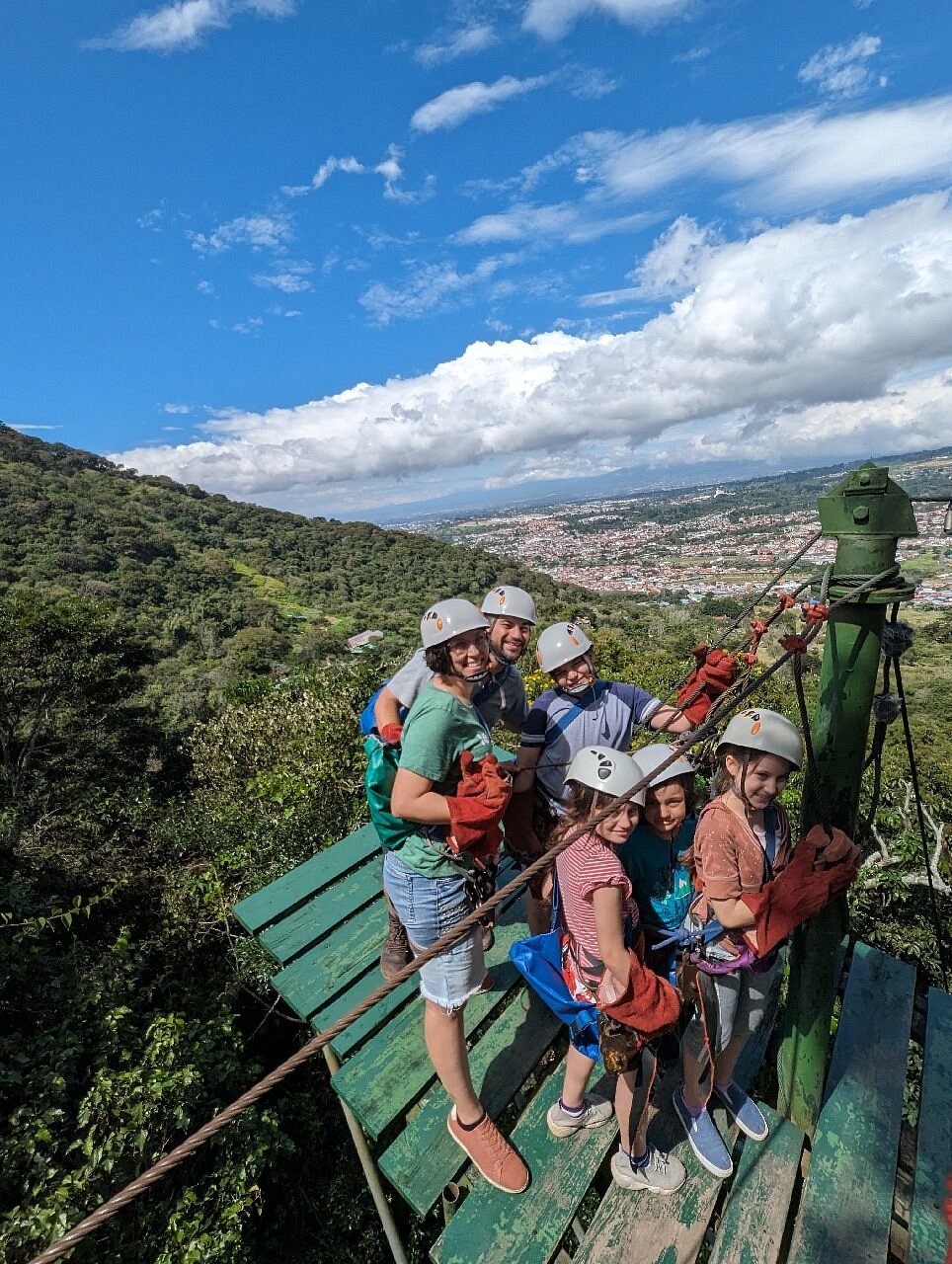
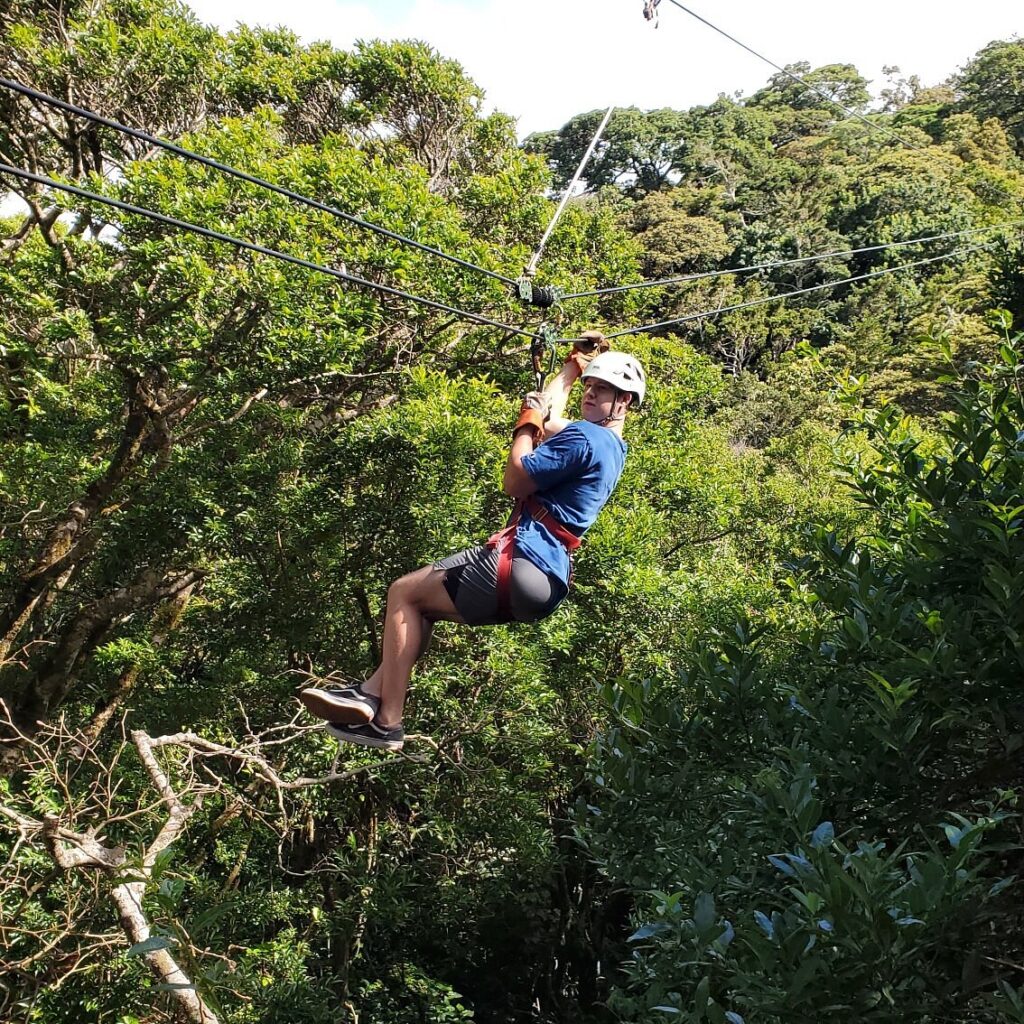
This matters even more when a day in Monteverde includes a true cloud forest thrill. At The Original Canopy Tour we trace our roots to Costa Rica in 1994. Our Monteverde Finca Valverde course lists 10 traverses across 6,122 feet, plus a Tarzan swing, a rappel, and a climb inside a large fig tree. That is a fixed-time experience worth building a route around, not squeezing in after a long drive.
How to Get Around Costa Rica Without Losing Valuable Travel Time
Getting around Costa Rica is easier when each travel choice fits the route, the weather, and the day’s plans. These five practical tips help reduce delays, avoid tiring transfers, and leave more time for beaches, forests, wildlife, and a Monteverde ziplining adventure.
1. Choose Transport for Each Part of the Trip
Why force the whole holiday into one mode? A rental car may work well near La Fortuna, then become a chore on a long transfer day. A bus saves money, but it may add changes, waits, and a trip through the capital.
For many guests, the best way to get around in Costa Rica is a simple mix:
- Rental car: Best for families, couples, and rural stops.
- Shared shuttle: Best for set routes without the stress of driving.
- Private transfer: Best for groups and door-to-door travel.
- Public bus: Best when cost matters more than speed.
- Domestic flight: Best when a road trip would consume a full day.
Costa Rica has a wide and low-cost bus network. Yet routes may use different terminals, and some trips still connect through San José. A neat line on a map can soon turn into a slow loop.
The official tourism site publishes bus trip ideas. Check the route before booking hotels. Do not assume every beach, forest, and volcano has a fast direct link.
2. Build the Route in Small Clusters
The fastest trip often has fewer hotel changes. Pick two or three areas that work well together. Stay long enough to enjoy each one.
A first trip may pair Arenal with Monteverde, then add a Pacific beach. This gives the holiday range without making each day feel rushed. It also creates a clear place for a canopy adventure. Start by viewing the available canopy tours. Then arrange the hotel nights and travel times around the chosen tour slot.
This is where many plans fall apart. Monteverde and La Fortuna look close on a map. Yet the road must bend around Lake Arenal before rising into cool, wet hills. It can be a fine drive in daylight. It is far less fun after dark, when fog hangs low and everyone is tired and hungry.
Before adding another stop, ask:
- Does it fit the route or only the wish list?
- Will moving there cost half a day?
- Is there a fixed tour early the next morning?
- Would one extra night make the trip calmer?
One less hotel change can save hours of packing, check-in time, and meal hunts. It can make the holiday feel more like pura vida and less like a race with a suitcase.
3. Treat Every Drive Time as a Range
Map apps give a useful base time. They do not know about every new pothole, crash, rain burst, cattle stop, or road repair. Main roads are often in fair shape. Still, heavy rain can cause potholes, floods, and landslides. One-lane bridges can also slow a route.
Use these simple buffers:
- Add 30 to 45 minutes to a short drive.
- Add one to two hours to a long transfer.
- Add more during wet months.
- Avoid a long road trip before an international flight.
- Reach Monteverde before dark when rain or fog is likely.
“Do we really need a 4×4?” Not for every route. It depends on the season, road, and final path to the hotel. Ask the hotel about its access road. Do not ask only whether the main highway is paved. A normal car may handle the highway with ease, while the final steep lane turns into a muddy mess.
Never leave bags in a parked car. Government travel advice warns that theft from vehicles is a real risk, even when luggage sits in the boot. Use secure parking and take key items with you.
4. Leave Early and Stay Near Major Activities
Early starts save more than time. Roads are cooler. Traffic can be lighter. Wildlife is often more active, too. By late afternoon, rain and fog can change a simple drive into a slow crawl. That is why a zipline day should sit near a Monteverde stay.
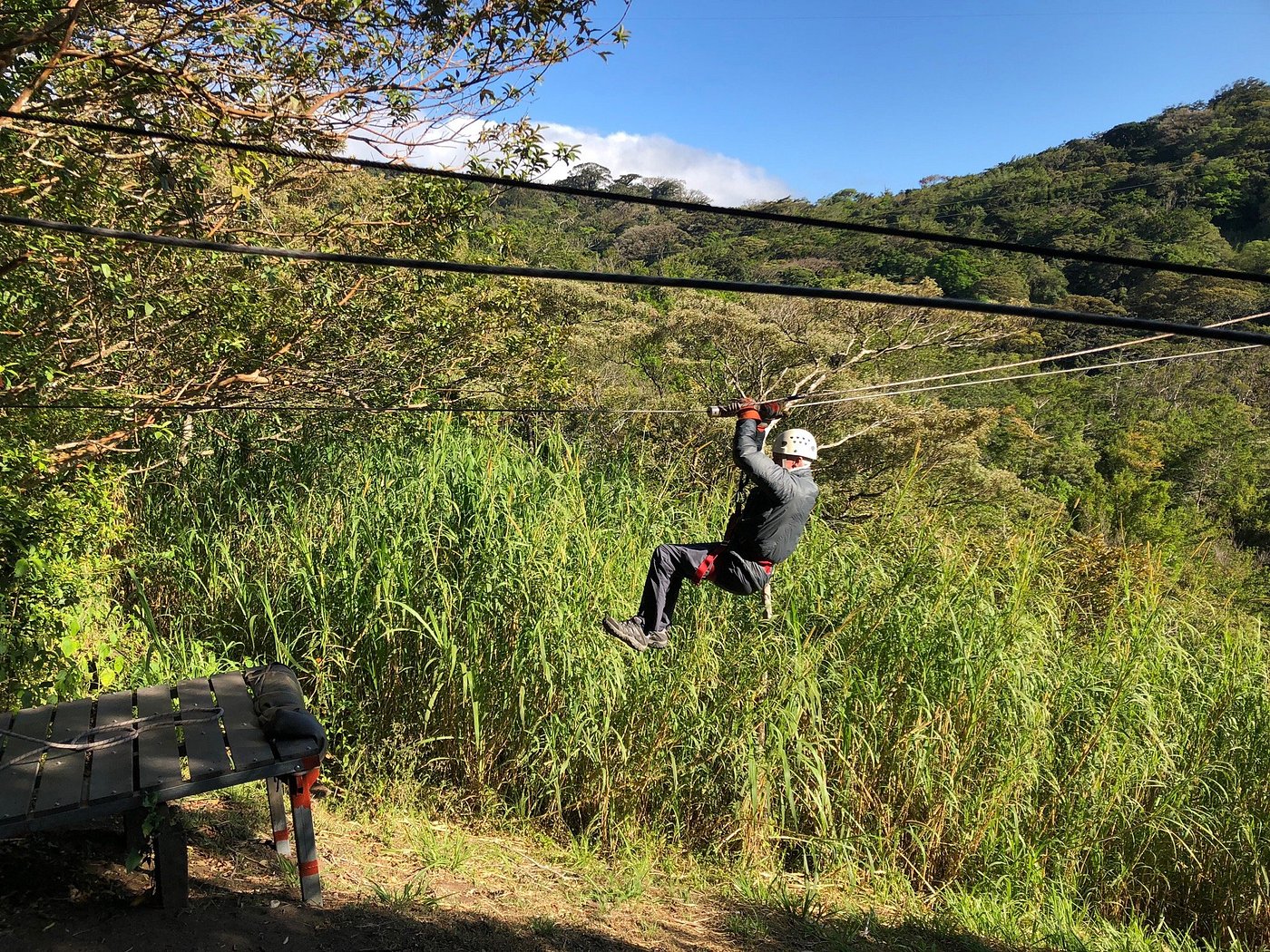
The Finca Valverde experience is not a quick roadside stop. The course combines long traverses with a swing, rappel, and fig-tree climb. The operator also states that safety is built into its course design, gear choices, work flow, and guide training.
“Is ziplining okay for a first-timer?” Feeling nervous before the first cable is normal. The useful question is whether the tour offers clear rules, trained staff, suitable gear, and honest guest limits.
Government travel guidance advises choosing an established adventure company with experienced staff. It also says travellers should check that their insurance covers ziplining, since some standard plans exclude it.
Book the tour, then protect the time around it:
- Sleep in or near Monteverde.
- Eat a light meal before check-in.
- Wear closed shoes and clothes that move well.
- Keep the rest of the day flexible.
- Confirm age, weight, health, and mobility rules in advance.
Why rush away as soon as the last cable ends? The mist, cool air, bird calls, and old trees are part of the experience.
5. Confirm the Last Mile Before Paying
A hotel listed as “Monteverde” may still sit far from the town centre. A beach lodge may be down a rough lane. A shared shuttle may stop at a local hub instead of the hotel door. The last mile is where vague plans waste time.
Before paying for a stay, transfer, or activity, confirm:
- The exact pickup and drop-off point
- The pickup window
- Luggage limits
- The road type near the hotel
- Whether a taxi is needed after the shuttle
- The tour check-in and late-arrival rules
Use official red taxis or orange airport taxis. Ask the driver to use the meter. Government guidance warns travellers to avoid unofficial taxis.
Make the Journey Part of the Costa Rica Experience
“Is the canopy tour worth the money?” It makes sense when Monteverde is already part of the route and the group wants more than a forest view from the road.
The tour turns the canopy into a real journey. Guests do not just look up at the trees. They move between them, cross open green space, and feel how the forest changes with height. To save time, use fewer bases, mix transport, leave early, and add buffers. Put fixed activities near the places where they happen. Check the last mile before paying.
Then give one day a clear purpose. In Monteverde, that may mean stepping off a platform, hearing the pulley hum, and sailing through the green space between old trees. When the route feels calm and the main adventure is already booked, is that not the Costa Rica trip most people hoped to find?