
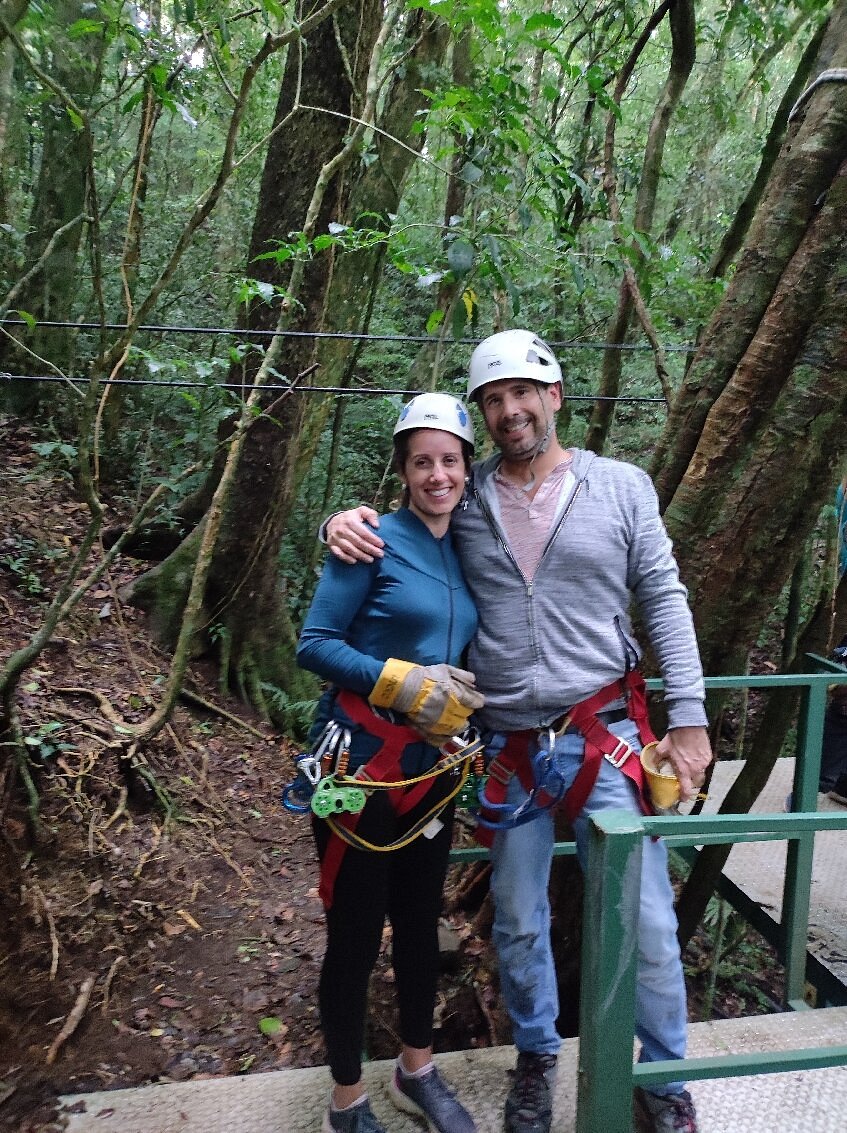
A Costa Rica honeymoon rarely stays in one mood for long. One morning feels like the perfect time for sunrise beach walks. By afternoon, the road climbs into cloud forest mist where everything sounds closer, sharper, more alive.
That shift is exactly why couples remember it differently from other destinations. It doesn’t behave like a typical honeymoon spot; it moves. Somewhere between that movement, canopy tours tend to show up at the right moment.
Costa Rica Honeymoon Planning Doesn’t Start With Hotels
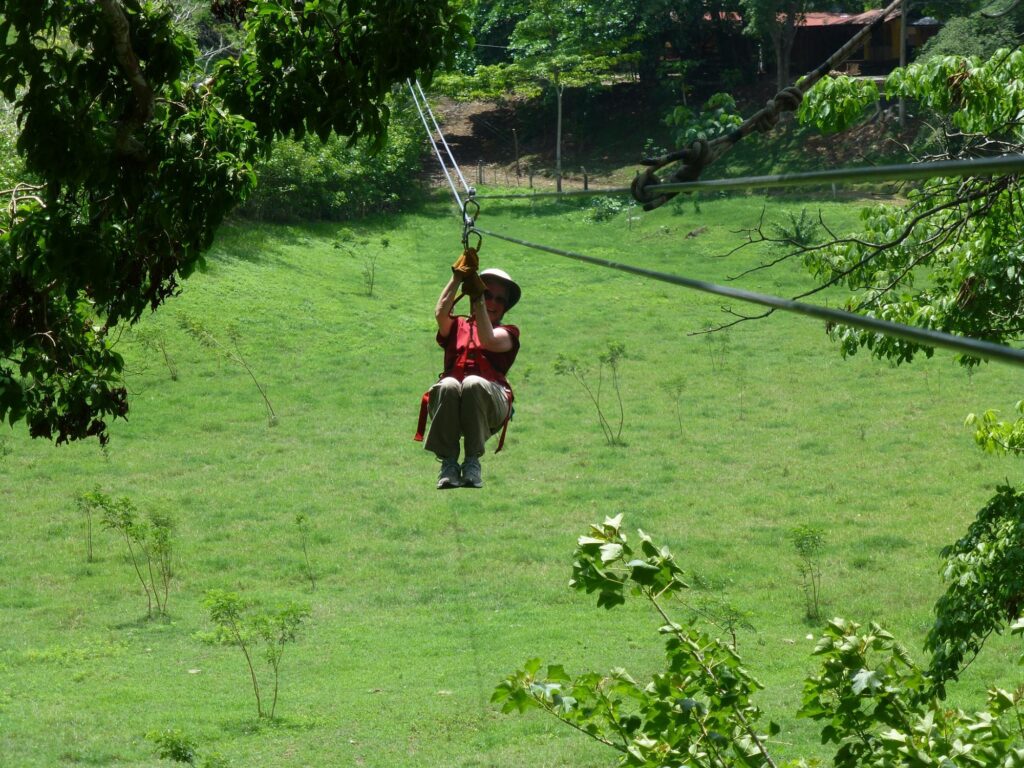
Most people begin planning with beaches or resorts. That changes quickly once they see how Costa Rica is shaped. It’s not one place. It’s a chain of very different zones sitting close together.
So the real planning question becomes something else entirely: do you stay in one mood the whole time, or let the trip change with the landscape?
A lot of Costa Rica honeymoon packages try to simplify this, but the country itself doesn’t really fit into a fixed plan. It works better when it flows. Beach first usually makes sense, not because it’s fancy, but because it slows everything down before the jungle takes over.
Beaches That Stay Wild and Easy
Costa Rica beaches don’t feel staged. That’s the first thing people notice. No perfect symmetry. No overly polished sand lines. Just long stretches of coastline that feel open enough to breathe in.
Some couples spend hours doing almost nothing here. And it doesn’t feel like wasted time.
Popular honeymoon beach spots
- Manuel Antonio, where forest meets sand in a very visible way
- Tamarindo, where evenings quietly turn social
- Santa Teresa, where time feels like it’s stretching
- Guanacaste, where water stays calm longer than expected
But even after a couple of days, something shifts. The silence starts to feel different. Less restful, more curious. That’s usually when inland travel starts sounding interesting.
The Jungle Changes Everything Without Warning
The road inland doesn’t feel dramatic at first. It just slowly gets greener. Then the air changes. Then the noise changes. Then suddenly it doesn’t feel like a beach trip anymore.
This is where most couples pause and rethink the plan a little. Because the jungle doesn’t behave like a backdrop. It takes attention.
Common honeymoon questions in the jungle
- Is this too much activity for a honeymoon?
- Are we supposed to guide ourselves or book tours?
- What happens if it rains during plans?
Nothing really breaks the trip here. It just stops being predictable. Predictability is usually what honeymoon travel is built on.
Canopy Tours in Costa Rica Honeymoon Experiences Feel Like a Turning Point
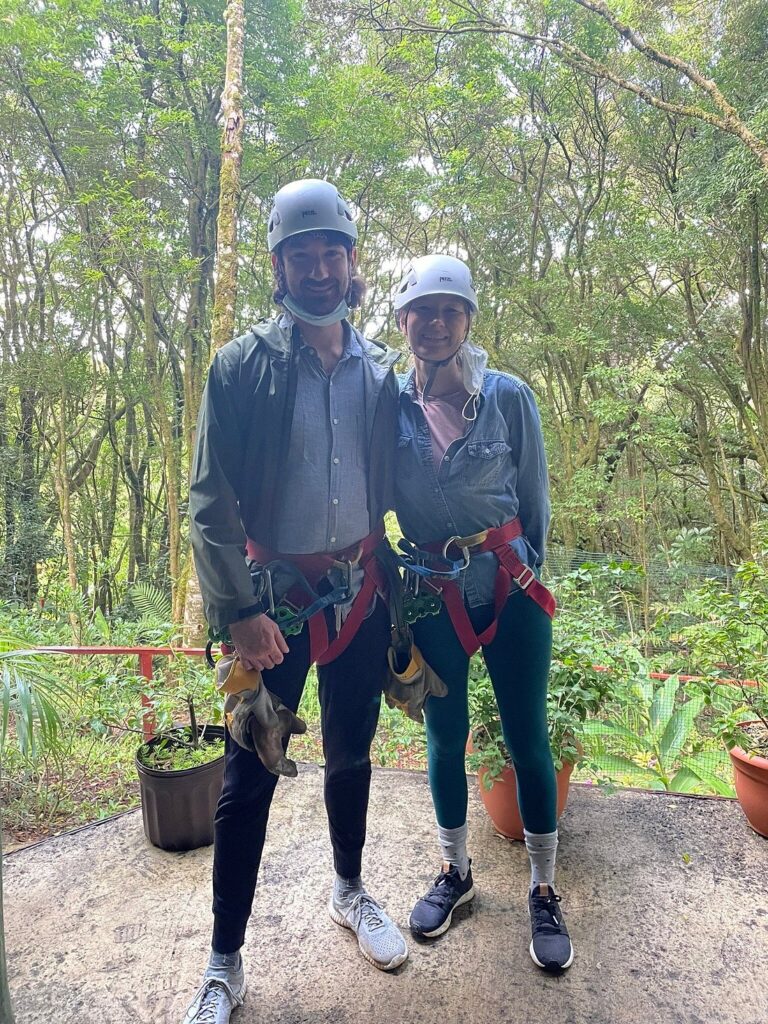
At some point in the jungle phase, canopy tours enter the conversation. Not always planned early. Often decided after arrival.
That’s usually how canopy tours become relevant in the experience. We at The Original Canopy Tour are not just another operator in the space. Our origin goes back to 1994 in Monteverde, where the world’s first canopy tour was created in Costa Rica.
That early setup shaped what zipline and high-angle adventure systems became globally. Today, the work is less about a single ride and more about building the systems behind adventure experiences across multiple countries. Operators run the tours on location. The structure and design philosophy comes from this model.
It sounds technical, but on the ground it feels simple with safe systems, open forests, and clear flow.
Monteverde Feels Like the Original Version of Adventure Travel
Monteverde doesn’t really try to impress. It just exists in cloud and green layers that keep shifting.
At Finca Valverde, the original high-angle tree tour still runs. It doesn’t feel like a modern attraction trying to be exciting. It feels like something that set the standard before everything else followed.
H3: What the experience includes
- Long forest traverses stretched across canopy gaps
- A Tarzan swing that usually gets a nervous laugh first
- A vertical rappel that feels slower than expected
- A fig tree climb that changes perspective for a few minutes
Something interesting happens mid-experience. The fear tone fades. Not because it becomes easier, but because the forest takes over attention.
Couples often stop talking at that point. Not out of discomfort, but because it doesn’t feel necessary. That’s usually the moment it stops being “an activity.”
Nosara Tarcoles Has a Different Kind of Calm
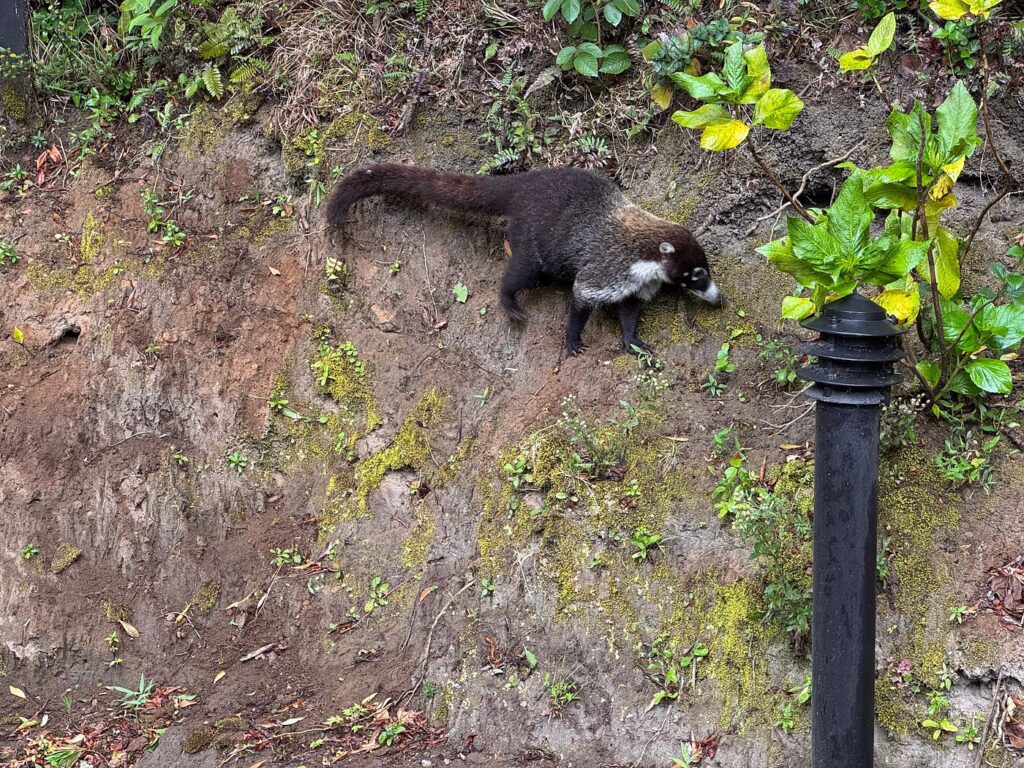
Not every canopy experience in Costa Rica feels intense. Near the Pacific, Nosara Tarcoles feel more grounded. Less vertical drama, more environmental presence. The Tarcoles River region adds something different. Wildlife becomes part of the background without needing effort to spot it.
This area is known for
- Dense tropical forest close to coastal air
- Natural wildlife movement along river ecosystems
- Slower canopy pacing compared to mountain zones
It’s the kind of place couples choose when they already did Monteverde and want something quieter next.
Same idea, but different energy.
Costa Rica Honeymoon Packages Only Work When You Stop Over-Structuring Them
There’s a pattern with Costa Rica honeymoon packages. They look neat on paper. But Costa Rica itself doesn’t always follow neat timing. Distances are short, and variety is high. That combination breaks rigid plans quickly.
A realistic honeymoon flow
- A slow beach start
- A jungle middle phase
- A calm coastal return
Nothing complicated, just spacing experiences so they don’t blur into each other. The mistake most couples make is trying to fit everything in. The better approach is choosing fewer things, but letting them fully land.
Booking Canopy Tours in Costa Rica Honeymoon Planning
Booking canopy tours isn’t difficult. The harder part is placement in the trip. Too early and it feels rushed. Too late and it competes with travel fatigue. Most couples naturally find a better rhythm when it’s placed in the middle of jungle days rather than attached to arrival or departure.
The Original Canopy Tour represents the backbone of how these experiences are structured globally. But the real value comes from when and where the experience happens, not just the booking itself. That part often gets overlooked in planning.
Why Canopy Tours Stay in Memory Longer Than Expected
It’s rarely the height people remember first.
It’s the pause before it.
Then the moment the forest opens beneath.
Then the shift in silence mid-air.
Then the laugh afterwards feels slightly delayed.
Not many honeymoon activities create that kind of shared reaction loop. That’s probably why it ends up becoming the reference point for the entire trip.
Final Thoughts
Costa Rica doesn’t really behave like a destination that tries to impress on arrival. It builds memory in layers. Sometimes it takes a canopy line across a cloud forest to realize the trip was never about choosing between relaxation and adventure.
It was about seeing how easily both can exist in the same journey, without needing to separate them at all.